
Expanding globally is a massive growth lever, but navigating cross border e commerce shipping is a logistical minefield. While buyers simply want fast cross border shipping, merchants face complex customs, duties, and DDP compliance. This technical guide breaks down international shipping workflows, carrier selection, and tariff codes to protect your profit margins and eliminate border bottlenecks.
While customers seek quick delivery of their items, businesses face unique challenges. Countries like Brazil, India, and Mexico saw ecommerce sales surge by two-thirds in 2020. This growth emphasizes the need for a structured shipping strategy that addresses various factors, including costs, delivery times, and customer experience.
This guide will provide actionable insights into managing international shipping workflows. We will cover essential topics such as carrier selection, tariff codes, and strategies to protect profit margins. With the right approach, you can eliminate bottlenecks and enhance your customers’ experience while scaling your business effectively.
Key Takeaways
- The cross-border ecommerce market is set to grow significantly, offering revenue opportunities.
- Understanding customs and duties is essential for successful international logistics.
- A structured shipping strategy can improve customer experience and control costs.
- Monitoring market trends can help businesses adapt to evolving consumer demands.
- Effective management of international shipping can enhance profit margins.
What Is Cross-Border Ecommerce Shipping? (And How It Differs from Standard International Shipping)

Cross-border ecommerce shipping involves transporting goods from a merchant in one country to a customer in another. This process is more intricate than standard international shipping due to various factors like customs, duties, and taxes. Understanding these elements is crucial for merchants looking to expand their reach.
From a frontend perspective, customers expect clear delivery options, accurate tracking, and transparent costs. Meanwhile, backend logistics must manage the complexities of moving goods across borders. This includes adhering to regulations, ensuring compliance, and handling returns efficiently.
For example, shipments between the United States and Canada often have established routes, making them easier to navigate. In contrast, shipping to countries with stricter regulations may require additional permits, such as for meat shipments to Mexico. This illustrates the need for a robust strategy that addresses both customer expectations and backend logistics.
Frontend Consumer vs. Backend Logistics Perspectives
When it comes to cross-border ecommerce, the frontend focuses on the customer experience. This includes delivery options, tracking capabilities, and total costs. On the other hand, backend logistics encompasses the operational side, ensuring goods move smoothly across national borders.
Understanding the Complexities of Global Shipping
Global shipping involves various challenges. Customs clearance, duties, and documentation are essential components. Merchants must be aware of these complexities to optimize their shipping strategies and improve overall customer satisfaction.
| Aspect | Frontend Consumer Focus | Backend Logistics Focus |
|---|---|---|
| Delivery Options | Variety and clarity | Efficiency and compliance |
| Tracking | Real-time updates | System integration |
| Total Costs | Transparency | Cost management |
DDP vs DDU: Why Customs Duties Make or Break Customer Retention

Customs duties can significantly impact the buying experience for international customers. Understanding the difference between DDP (Delivery Duty Paid) and DDU (Delivery Duty Unpaid) is essential for merchants aiming to optimize their shipping strategy.
With DDP, the merchant pays all duties, taxes, and import clearance upfront at checkout. This model enhances price transparency for customers, allowing them to know the total cost before making a purchase. It shifts the burden of duty volatility onto the merchant, which can streamline the fulfillment process.
Conversely, DDU places the responsibility for duties and taxes on the customer. While this can lower the displayed checkout cost, it may lead to unexpected fees upon delivery. This surprise can create delivery refusals and increase support tickets, ultimately risking customer retention.
Utilizing ShipperHQ’s Duties & Taxes feature, powered by DHL eCommerce, automates these calculations. This ensures a more predictable international shipping strategy and helps merchants manage costs effectively.
| Model | Merchant Responsibility | Customer Responsibility |
|---|---|---|
| DDP | All duties and taxes paid at checkout | No surprise fees upon delivery |
| DDU | No upfront payment of duties | Pays duties and taxes upon delivery |
| Impact on Retention | Improves customer experience | Risk of delivery refusal |
The Best Cross Border Shipping Companies and International Carriers
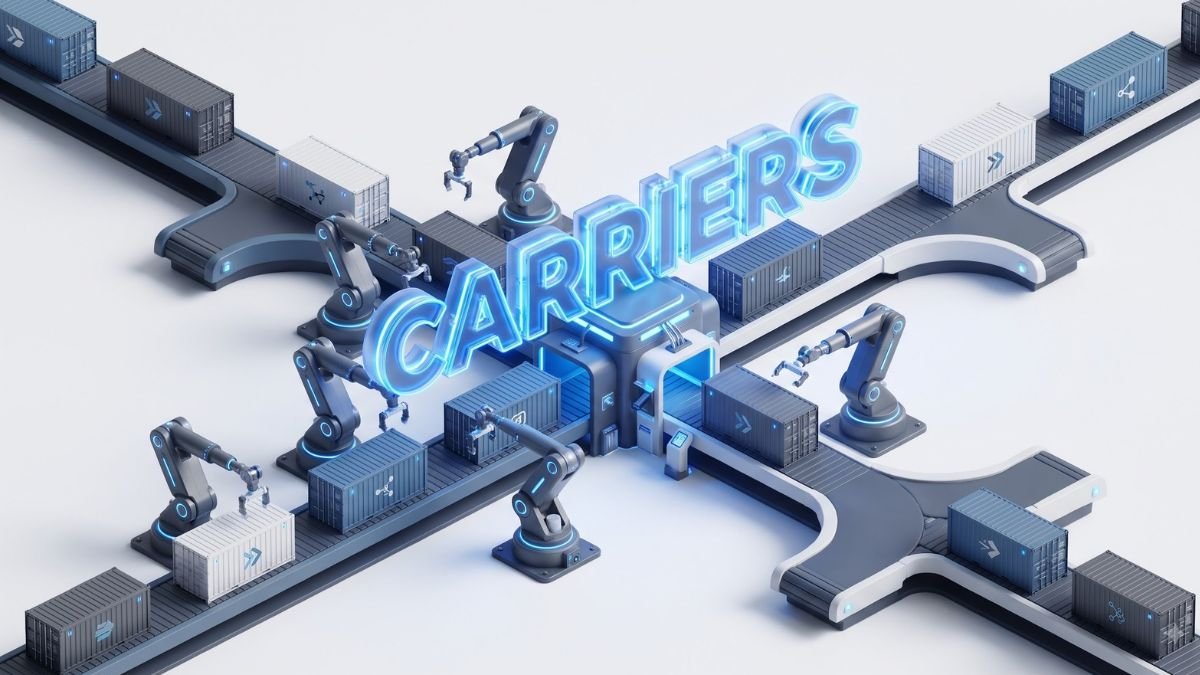
Choosing the right carriers can greatly influence your international sales. The landscape of logistics is complex, and understanding your options is essential for a successful shipping strategy. Different carriers offer unique advantages, impacting delivery times and overall costs.
For instance, USPS and Canada Post provide cost-effective postal services. However, they can be slower compared to express carriers. On the other hand, express carriers justify their higher shipping costs with faster transit, insurance, and better tracking capabilities.
Dive Gear Express, which transitioned from a local Florida dive shop to an international scuba equipment hub, exemplifies effective carrier use. They offer four free shipping methods, catering to diverse customer needs while maintaining profitability.
| Carrier | Service | Delivery Time | Duty Model |
|---|---|---|---|
| USPS | Postal Service | 5-10 days | DDU |
| Canada Post | Postal Service | 5-10 days | DDU |
| Express Carrier | Expedited Service | 1-3 days | DDP |
| Dive Gear Express | Specialty Shipping | 3-7 days | DDP |
How to Reduce Cross-Border Shipping Delays at Customs

Navigating customs can be a challenging aspect of international logistics. To ensure smooth processing, merchants must adhere to specific requirements. Here’s a compliance checklist to streamline your shipping experience.
Compliance Checklist
- HS Codes: Always require a product-level HS code before label creation. Customs evaluates the product type, declared value, and applicable trade rules.
- Commercial Invoices: Generate a complete invoice containing seller and buyer details, item descriptions, quantity, value, currency, country of origin, HS code, and Incoterm.
- Restricted Goods: Validate against UPS guidance for items like lithium-ion batteries and high-powered magnets.
- De Minimis Thresholds: Store current de minimis values and tax treatments in your Shopify rules for accuracy during checkout.
- Shipping Costs Concerns: Address the 51% concern about shipping costs and 47% concern about long delivery times as potential conversion risks.
- Brexit Compliance: Audit UK orders separately, as merchants are now responsible for VAT collection and customs duties at the point of sale.
By following this checklist, you can enhance the customer experience and reduce delays at customs, ultimately boosting your cross-border ecommerce efficiency.
Managing International Returns and Duty Drawbacks
Managing returns effectively is crucial for maintaining customer satisfaction in international markets. A clear return policy can prevent confusion and build trust. Here’s how to reclaim paid duties and streamline your return process.
First, consider local overseas warehouses. They can reduce transit times and customs delays, making returns easier for customers. You can choose to manage returns in-house or partner with a third-party logistics provider for efficiency.
Reclaiming Paid Duties Effectively
Duty drawbacks allow you to reclaim duties paid on goods that are returned. This process generally requires documentation to prove that qualifying duties were paid and the goods were exported or returned. Ensure your return workflow includes:
- Original Order Details: Keep records of the commercial invoice and customs entry.
- Tracking Information: Maintain tracking numbers for all returned items.
- Proof of Export: Document proof to validate the return of goods.
Case Studies on Handling International Returns
Successful merchants publish return terms on FAQ, product, and checkout pages. This transparency helps customers understand eligibility and potential customs charges. Evaluating your returns strategy can enhance customer experience and boost retention.
Optimizing cross border e commerce shipping for Maximum Profitability
Maximizing profitability in international sales requires a strategic approach to logistics. A detailed cost analysis is essential for understanding how shipping impacts your bottom line. The expectation for fast and free delivery, often referred to as the “Prime effect,” is reshaping consumer behavior.
To meet these expectations, consider the following:
- Build a Landed-Cost Model: Include postage, duties, taxes, and support labor in your calculations before offering free shipping.
- Utilize Product Segmentation: Dive Gear Express effectively filters shipping options based on customer location and cart value, enhancing the shopping experience.
- Configure Free Shipping Thresholds: Set thresholds around contribution margins rather than applying a universal rule across all regions.
- Balance Delivery Options: Offer slower economy services alongside premium express options to cater to diverse customer needs.
- Mitigate Risks: Implement restricted-product rules and insurance decisions to protect your shipments as you scale.
By applying these strategies, you can enhance your operational efficiency and maximize profitability in the competitive global marketplace.
Advanced Shipping Strategies for Global Brands
In today’s global marketplace, logistics must adapt to meet diverse consumer expectations. For brands looking to expand, tailoring logistics is essential. Local warehouses can utilize regional wholesalers or vendors to support compliance with local regulations.
Localization is more than just a buzzword; it involves various elements that directly affect conversion rates. Here are key strategies to consider:
- Select local warehouses: When regional volume justifies it, choose local options to minimize delivery distance and customs events.
- Localize essential elements: Address language, currency, payment methods, sizing, and promotions to resonate with international shoppers.
- Prevent pricing friction: Display prices in local currency to enhance the shopping experience for European customers.
- Build market-specific rules: Develop fulfillment strategies that reflect local regulations and expected order density.
- Review performance by market: Analyze localization efforts individually rather than treating all global traffic as one segment.
Implementing these strategies can significantly enhance your international operations and improve customer satisfaction.
Leveraging Data and Analytics for International Shipping Success
Harnessing data analytics is essential for merchants looking to thrive in international markets. By focusing on key performance indicators, you can enhance your logistics strategy significantly.
Consider these vital metrics:
- Delivery Success: Measure success by market, carrier, service level, product category, and customs status.
- Transit-Time Variance: Track this alongside exception rates to address delivery anxiety.
- Checkout Metrics: Monitor conversion rates, cart abandonment, support contacts, and refused deliveries by destination.
- Demand Signals: Attribute social media and influencer marketing impacts to specific markets for profitable customer acquisition.
- Carrier-Level Data: Identify delays in pickup, export clearance, destination customs, or final-mile delivery.
As we navigate this complex landscape, remember that real-time order tracking and shipping confirmation emails are crucial. They significantly reduce delivery anxiety, enhancing the overall customer experience.
Integrating Technical Solutions for Cross-Border Logistics
Integrating technical solutions is vital for enhancing logistics efficiency. Merchants can leverage tools like ShipperHQ to optimize their international shipping strategies. This platform supports carrier-agnostic integrations and provides real-time duty and tax calculations.
By utilizing these features, you can select between DDP and DDU approaches, ensuring that your checkout process is seamless. Duties and taxes can be integrated directly into checkout shipping methods, improving customer transparency.
Shopify Integration Best Practices
- Connect Shopify checkout rules to carrier-agnostic rate logic. This allows merchants to change carriers without rebuilding every destination workflow.
- Use real-time duty and tax calculations to replace static estimates. This prevents margin leakage when product values or destination rules change.
- Expose DDP and DDU as deliberate checkout configurations. Test displayed totals, customer messaging, and downstream fulfillment records.
- Pass product dimensions, weights, HS codes, origin data, and customer address fields consistently into rate and customs APIs.
- Reconcile checkout quotes with carrier invoices and refund records. This ensures that technical integration produces measurable savings rather than unverified rate displays.
Conclusion
For merchants, the key to thriving in international markets lies in mastering logistics. Treat your international operations as a connected Shopify system that spans checkout, product data, customs, carrier selection, delivery, returns, and customer retention.
Start by focusing on markets where demand already exists. Validate duties, taxes, restrictions, delivery times, and contribution margins before expanding further. This will help mitigate risks and ensure a smoother transition.
Opt for transparent DDP to avoid damaging customer trust with surprise destination charges. Clearly document DDU terms when customers are responsible for import costs.
Utilize accurate HS codes, commercial invoices, and de minimis logic to reduce customs delays. Continuous monitoring of tariff and restriction changes is vital, as goods permitted today can become prohibited tomorrow.
Pingback: AutoDS Review: Is It Better Than DSers for US Shopify Stores?
Pingback: How to Dropship on Shopify for Free Using DSers ( Step-by-Step Guide)
Pingback: Zendrop Review 2026: Is It Actually Better Than DSers & AliExpress?
Pingback: Is CJ Dropshipping Legit? A Developer’s Honest Review
Pingback: Printful vs Printify : A Developer's Guide to Margins & Quality