
Packing boxes in-house works until order volume turns shipping into your biggest growth bottleneck. Scaling your brand demands an automated shopify 3pl integration that syncs multi-location stock in real time.
Choosing the right shopify 3pl partner eliminates manual fulfillment friction, prevents catastrophic overselling, and protects your unit economics. This technical guide breaks down warehouse APIs, WMS sync logic, and provider SLAs so you can outsource fulfillment with zero downtime.
Key Takeaways
- Understanding the importance of a 3PL partner in managing order volume.
- How automated fulfillment can enhance customer satisfaction.
- The role of warehouse APIs in real-time inventory management.
- Benefits of dual-coast logistics for faster delivery.
- Strategies to reduce overselling and improve profit margins.
What Is a Shopify 3PL and When Should You Outsource Fulfillment?

As your online store grows, knowing when to outsource fulfillment becomes essential. A third-party logistics (3PL) provider manages the entire fulfillment process. This includes receiving, storage, picking, packing, shipping, tracking, and handling returns. For many merchants, the transition to a 3PL is not just beneficial; it’s necessary.
Consider the order volume thresholds. If you’re processing more than 20-30 orders per day, manual management becomes risky. Spreadsheets and disconnected apps can lead to errors and increased support costs. The breakeven point for outsourcing is typically between 1,000 and 3,000 orders per month, according to Red Stag Fulfillment.
Bottlenecks can arise from limited storage, inconsistent processing times, and poor order accuracy. These challenges can significantly affect your customer experience. In fact, NTT Data reports that 87% of shippers are increasing their use of outsourced logistics. This shift highlights the importance of efficient fulfillment strategies before reaching enterprise scale.
The Best 3PL for Shopify: Top Warehouse Providers Compared
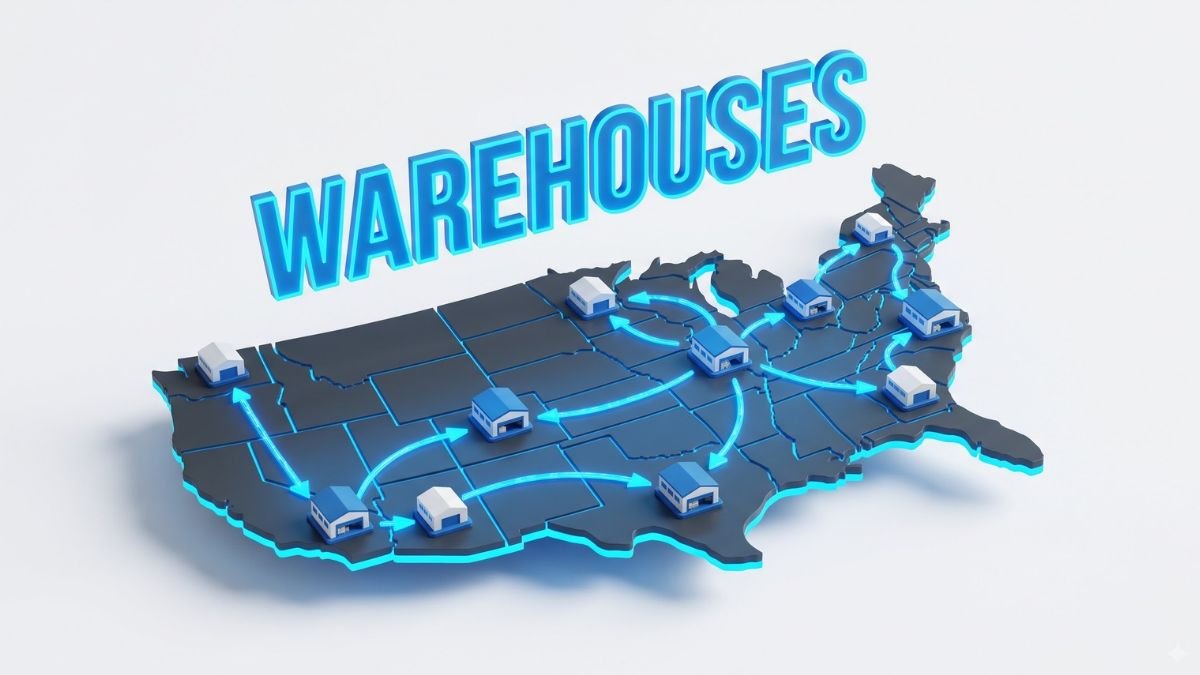
In the competitive world of online retail, aligning with the right logistics partner is key to operational efficiency. Selecting a third-party logistics (3PL) provider can streamline your fulfillment process and enhance your overall customer experience. Here, we compare some of the top fulfillment centers available for Shopify merchants.
Utilizing the Shopify Fulfillment Network, brands can connect with integrated partners like Flexport, ShipBob, and Shipfusion. These providers are designed to support various needs, from small to large-scale operations.
For those needing more specialized services, the Jay Group and ShipSage stand out. The Jay Group operates in dual locations, ensuring efficient inventory management with a reported 99.9% accuracy. Meanwhile, ShipSage offers a significant warehouse footprint and a same-day cutoff for orders, making it ideal for growing brands.
| 3PL Partner | Integration Type | Warehouse Footprint | Best For | Pricing Model |
|---|---|---|---|---|
| Flexport | Native | Global | Large Brands | Variable |
| ShipBob | Native | Multiple US Locations | SMBs | Per Order |
| Jay Group | API | Pennsylvania & Nevada | High Volume | Custom |
| ShipSage | Native | 681,000 sq ft | Growing Brands | Flexible |
When evaluating providers, consider factors such as connectivity, inventory management, and pricing structures. Each merchant’s needs will dictate the best choice, whether it’s for order volume, product type, or delivery promises.
How to Connect Shopify to 3PL Partners (Integration & API Setup)

Connecting your eCommerce platform to logistics partners is crucial for seamless operations. Proper integration allows for efficient order processing and improved customer satisfaction. Let’s explore the key components involved in this process.
Private App Webhooks and Custom API Configurations
Utilizing private app webhooks can enhance your system’s responsiveness. These webhooks should authenticate securely and subscribe only to necessary events. By recording event IDs and retrying failed requests, you can prevent duplicate order creation.
Native Connectors and Order Routing Best Practices
Native connectors streamline the process compared to custom API builds. They come with built-in monitoring and support for failure management. For optimal routing, establish rules based on inventory availability and destination zones. This ensures timely delivery and reduces fulfillment delays.
| Integration Type | Features | Benefits |
|---|---|---|
| Private App Webhooks | Real-time updates | Increased accuracy |
| Native Connectors | Built-in monitoring | Less complexity |
| Custom API Configurations | Tailored solutions | Flexibility |
By leveraging Shopify’s 2024 Fulfillment Orders API, you can model fulfillment locations and routing assignments effectively. This setup can significantly enhance your logistics capabilities and improve the overall customer experience.
How to Reconcile Inventory Across Shopify and a 3PL (Preventing Stock Desync)
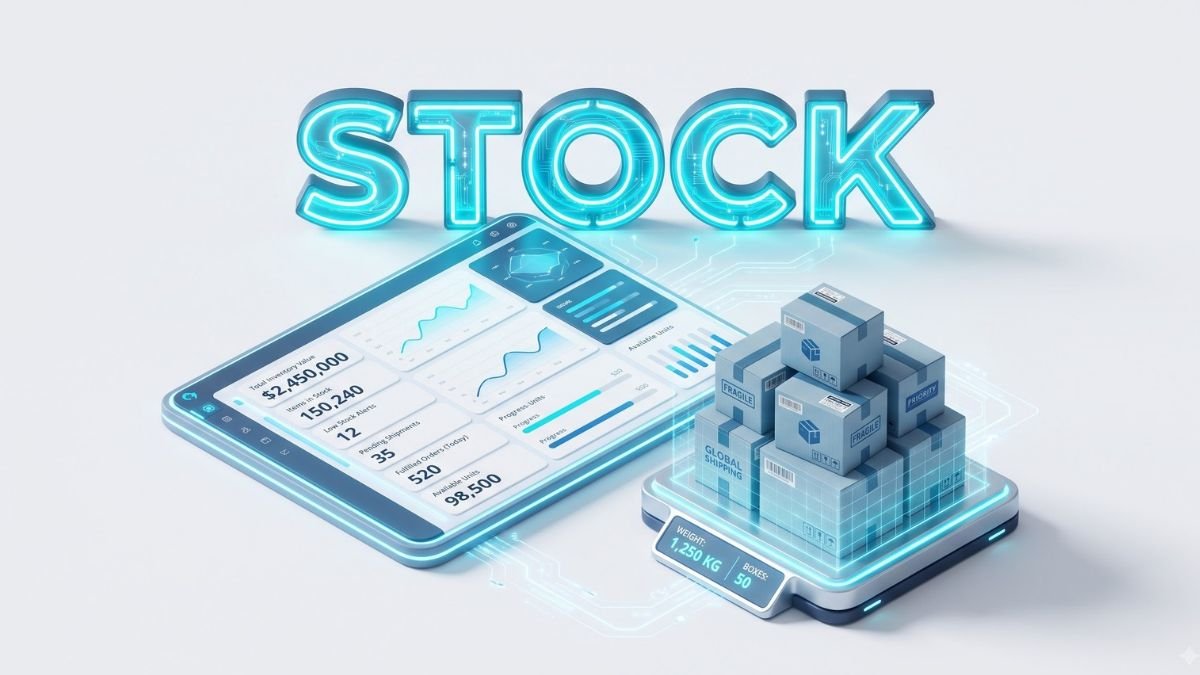
Managing inventory across multiple platforms requires strategic planning and execution. Keeping your stock levels accurate is essential to avoid costly errors. When integrating your systems, it’s vital to establish a clear ownership model for inventory. This model should define which system—Shopify, your warehouse management system (WMS), or another inventory management tool—controls the data on available, committed, and returned units.
Overselling can occur due to various factors. Audit your safety-stock buffers and reservation timing to prevent these issues. Draft orders can complicate matters as they may bypass normal inventory reservations. This requires explicit allocation and confirmation before any fulfillment request reaches your logistics partner.
Troubleshooting Buffer Stock Rules and Draft Orders
Ensure your safety-stock rules are well-defined. This includes checking for delays in webhook events and managing partial fulfillment scenarios. Regular audits can help isolate issues and protect your customer experience.
Multi-Location Inventory Sync and 2-Way WMS Polling
To effectively reconcile multi-location inventory, match Shopify location IDs with your 3PL’s warehouse codes. Utilize two-way WMS polling to keep your systems in sync. This allows for real-time updates on inventory changes and order statuses, ensuring a seamless flow of information.
| Task | Objective | Best Practice |
|---|---|---|
| Establish Ownership Model | Define authoritative system for inventory | Use clear guidelines for stock management |
| Troubleshoot Overselling | Prevent stock discrepancies | Regularly audit safety-stock buffers |
| Sync Inventory | Maintain accurate stock levels | Implement two-way WMS polling |
By following these strategies, you can significantly improve your inventory accuracy. Remember, effective management leads to enhanced customer satisfaction and reduced inquiries about order status.
shopify 3pl integration: Key Considerations for Seamless eCommerce Logistics
Achieving a seamless connection between your eCommerce platform and logistics partners is vital for success. This integration ensures that order processing runs smoothly and enhances customer satisfaction. With the right strategies, you can maintain real-time synchronization and accuracy across your systems.
Integration Best Practices for Real-Time Sync
Establishing effective synchronization service levels is crucial. This includes order ingestion, inventory updates, and fulfillment confirmations. Defining these parameters before launching is essential to avoid disruptions.
- Require immutable event IDs and timestamps for tracking.
- Implement retry queues and reconciliation reports to differentiate between delayed and duplicated data.
- Utilize Jay Group’s Client Portal as a model for visibility into order status and shipment progress.
Ensuring Accuracy and Data Transparency
Maintaining high accuracy is non-negotiable. Jay Group reports a remarkable 99.9% inventory accuracy and on-time shipping. Setting accuracy controls around SKU mapping and barcode validation is key to preventing errors.
Link transparency to operational outcomes by tracking oversell incidents and manual interventions. This data can help identify areas for improvement and enhance customer experience.
| Consideration | Objective | Best Practice |
|---|---|---|
| Service Levels | Define order and inventory handling | Establish clear guidelines |
| Data Tracking | Ensure accurate reporting | Use immutable identifiers |
| Visibility | Improve operational transparency | Implement client portal models |
Advanced Strategies in Shopify Fulfillment for Scaling Merchants
Effective scaling in eCommerce hinges on the ability to implement sophisticated fulfillment models. Merchants must leverage workflow automation to streamline operations, especially during peak seasons.
Consider a hybrid fulfillment model. This approach assigns large or fragile products to owned facilities, while nearby demand can be met from retail stores. Standard parcel volumes are best handled by logistics partners.
Utilizing Shopify Flow can automate key processes. Set up alerts for delayed orders, manage low-stock actions, and route shipments based on location—all without complex custom coding.
Look at Mejuri’s success. They reduced UK delivery times from nine days to just one or two, saving over $100,000 monthly. Such benchmarks highlight the potential of location-based routing.
Allbirds employs a ship-from-store model across 31 locations. This strategy minimizes warehouse returns and speeds up local deliveries.
Finally, stress-test your operations. Flexport processed 71% more orders and 92% more units during the 2025 BFCM weekend. Use this data to verify your peak capacity before launching promotions.
Leveraging Technology & Real-Time Data for Optimal Warehouse Management
Embracing technology and real-time data is crucial for optimizing warehouse operations. Today’s Warehouse Management Systems (WMS) leverage innovations to streamline processes. Features like barcode validation, directed putaway, and wave planning enhance efficiency. These tools help in executing tasks with precision, reducing errors, and improving throughput.
According to Extensiv’s 2025 study, roughly one-third of third-party logistics providers plan to implement AI this year. This is a significant increase from 25% in 2024. AI can be applied in various areas, including demand forecasting and pick-path optimization. Such innovations can drastically improve operational efficiency.
Additionally, adopting an API-first architecture is essential. This approach should include versioned endpoints and documented schemas. It allows for seamless integration with other systems, enhancing visibility and operational efficiency. Building dashboards that expose critical metrics—like available stock and shipment status—can also drive better decision-making.
Lastly, it’s important to treat returns as a first-class data flow. With up to 30% of eCommerce orders being returned, managing this data effectively can prevent inventory discrepancies. A robust WMS helps ensure that returned items are processed quickly, maintaining sellable inventory levels.
Optimizing Costs and Improving Efficiency in Shopify Order Fulfillment
In the realm of eCommerce, balancing cost efficiency with customer satisfaction is vital. Merchants must understand their fulfillment costs to thrive in this competitive landscape. Transparent pricing structures help identify all expenses associated with order fulfillment.
To optimize costs, require a complete cost model. This model should cover receiving, storage, pick-and-pack, packaging, postage, and returns. Compare this total cost of ownership against internal expenses like rent and labor. Understanding these figures can reveal potential savings.
Setting clear performance SLAs is equally important. These should outline expectations for order accuracy, shipment confirmation, and return processing. For instance, Jay Group’s dual-coast network covers 99% of the U.S. within three days, boasting a 99.9% on-time shipping rate.
Moreover, evaluate delivery promises against shopper expectations. Almost half of customers expect online orders to arrive within two days. More than 60% consider delivery speed when deciding to complete a purchase. By aligning your fulfillment strategy with these expectations, you can enhance customer satisfaction and loyalty.
Conclusion
Navigating the complexities of eCommerce logistics is essential for any growing business. Selecting a third-party logistics provider should focus on connectivity, warehouse capabilities, and support quality rather than just pricing.
Transitioning from self-fulfillment is crucial when facing order growth or storage limitations. Validate every integration with thorough testing and ensure accurate inventory management to prevent overselling.
When comparing providers, rely on documented performance metrics, such as inventory accuracy and operational capacity. Ultimately, treat your fulfillment network as a vital component that enhances delivery reliability and safeguards your revenue.
Pingback: Zendrop Review 2026: Is It Actually Better Than DSers & AliExpress?
Pingback: Is CJ Dropshipping Legit? A Developer’s Honest Review
Pingback: How to Start a Print on Demand Business: A Beginner's Guide to True Profitability
Pingback: AutoDS Review: Is It Better Than DSers for US Shopify Stores?
Pingback: Printful vs Printify : A Developer's Guide to Margins & Quality
Pingback: Shopify Order Management: The Complete Guide to Processing, Routing & OMS -
Pingback: Ecommerce Warehousing: The Complete Guide to Setup, Operations & Best Practices -