
When optimizing fulfillment for a US Shopify store in 2026, the debate of DSers vs Zendrop represents a fundamental choice between gross margin maximization and supply chain reliability. DSers acts as a high-volume API routing engine for AliExpress, securing the lowest possible base product costs at the expense of 15-day shipping windows.
Zendrop, conversely, operates as a curated fulfillment ecosystem with dedicated US warehouses, prioritizing 5-day transit times and white-labeled unboxing experiences to protect customer lifetime value (LTV).
In this technical comparison, we audit both platforms’ bulk order automation, variant syncing, and unit economics to determine which infrastructure best scales a profitable DTC brand.
Key Takeaways
- Choosing between cost and speed is crucial for US Shopify merchants.
- DSers offers a free plan, making it a low-risk option for testing.
- Zendrop provides faster shipping, enhancing customer experience.
- Both platforms have unique advantages that can impact your store’s growth.
- Understanding operational costs is key to making an informed choice.
Shipping Speeds vs. Base Costs: Balancing Delivery and Margins
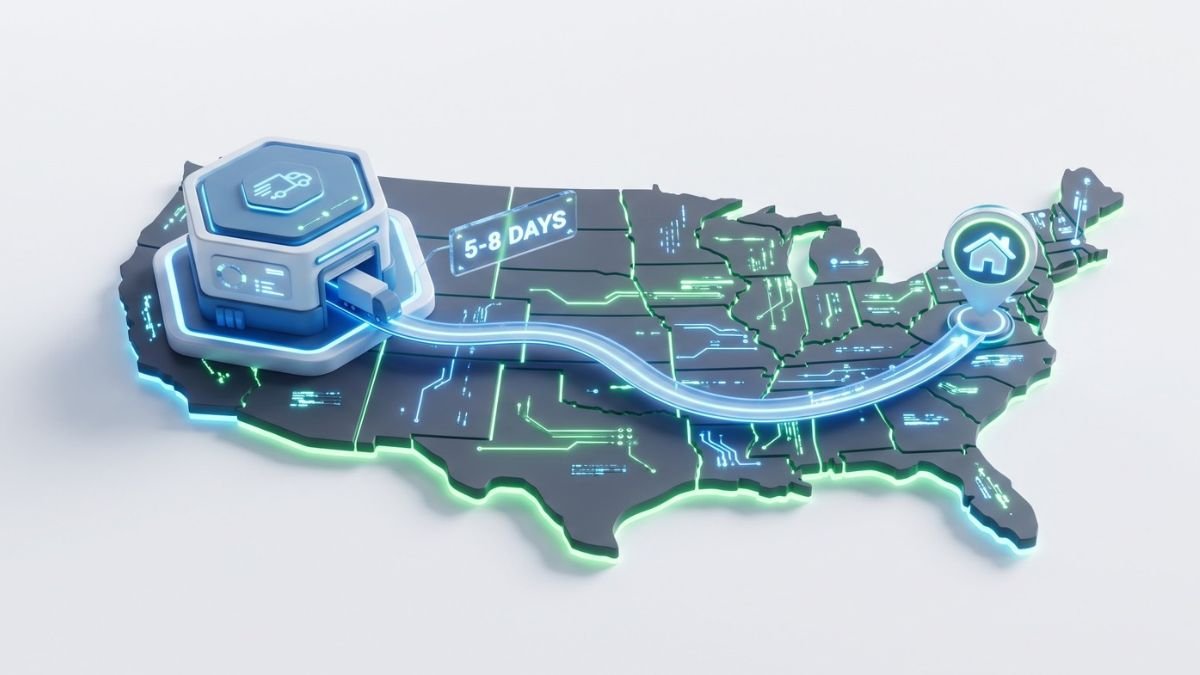
In 2026, the balance between shipping speed and cost is crucial for US Shopify dropshippers. The choice between DSers’ affordable yet slower shipping and Zendrop’s premium fast shipping can significantly impact your bottom line.
DSers typically offers delivery times of 15-30 days, depending on the AliExpress suppliers. While the lower base costs can yield stronger gross margins initially, this extended wait can lead to increased refunds and customer dissatisfaction.
On the other hand, Zendrop provides faster shipping, usually within 5-8 days from US warehouses. This speed can enhance the customer experience, reducing complaints and chargebacks. However, the higher base costs may require a reevaluation of your pricing strategy.
To illustrate, a lower-cost order from DSers may seem advantageous until a late delivery triggers a refund. In contrast, Zendrop’s faster shipping could justify higher retail prices, improving overall profitability.
App UI & Order Automation: Efficiency in Bulk Fulfillment
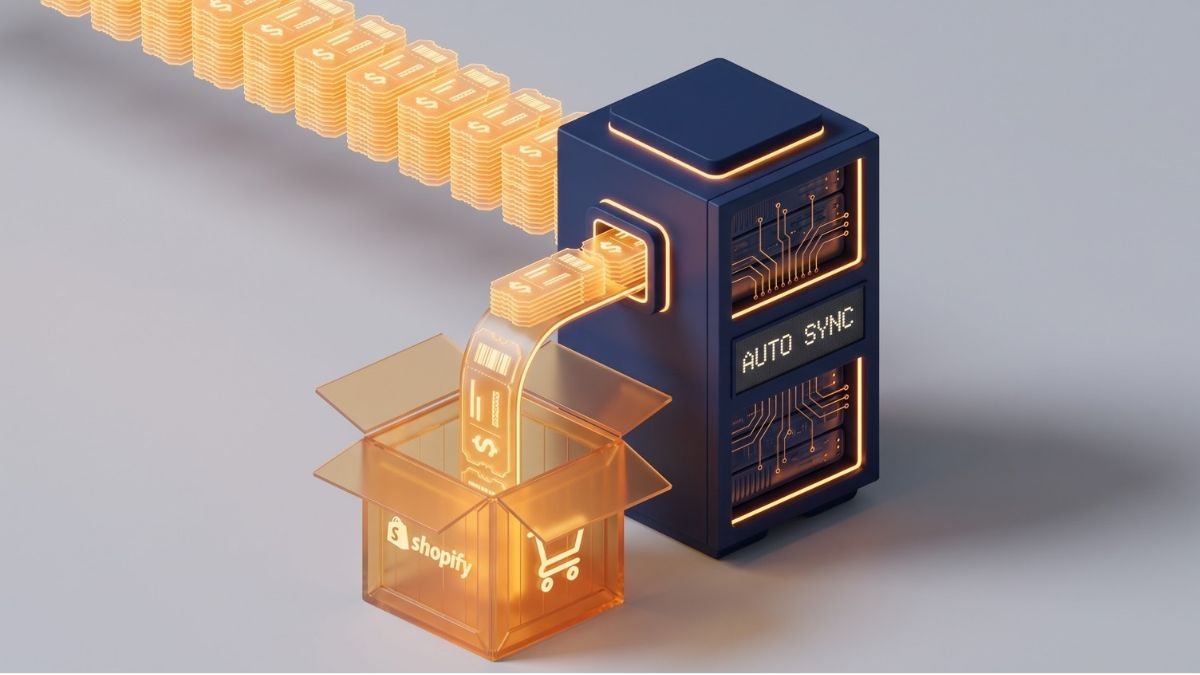
For US Shopify dropshippers, mastering bulk fulfillment tools can enhance operational efficiency. Both DSers and Zendrop offer unique features for managing bulk orders, making it easier to scale your operations.
Streamlined Bulk Ordering
DSers stands out as an operations engine, allowing merchants to place hundreds of AliExpress orders with a single click. This capability is essential for high-volume stores, as it saves time and reduces manual errors.
Moreover, DSers supports automatic tracking synchronization and supplier mapping. This means that once orders are placed, updates are sent to customers without additional effort. Features like pricing rules, bundles, and BOGO offers further enhance the efficiency of bulk order management.
Automated Tracking Sync & Fulfillment
On the other hand, Zendrop focuses on a guided Shopify workflow for automated fulfillment. This platform is ideal for merchants who prefer a straightforward setup over complex marketplace configurations. The automated tracking ensures that customers receive timely updates, minimizing “where is my order” inquiries.
While both platforms excel in order automation, it’s crucial to distinguish between order-processing speed and delivery speed. Automation can accelerate order submission, but it does not impact carrier transit times.
Ultimately, the effectiveness of bulk order controls can significantly affect labor costs, fulfillment accuracy, and the number of orders manageable by one operator.
Branding Options and Custom Packaging Experiences
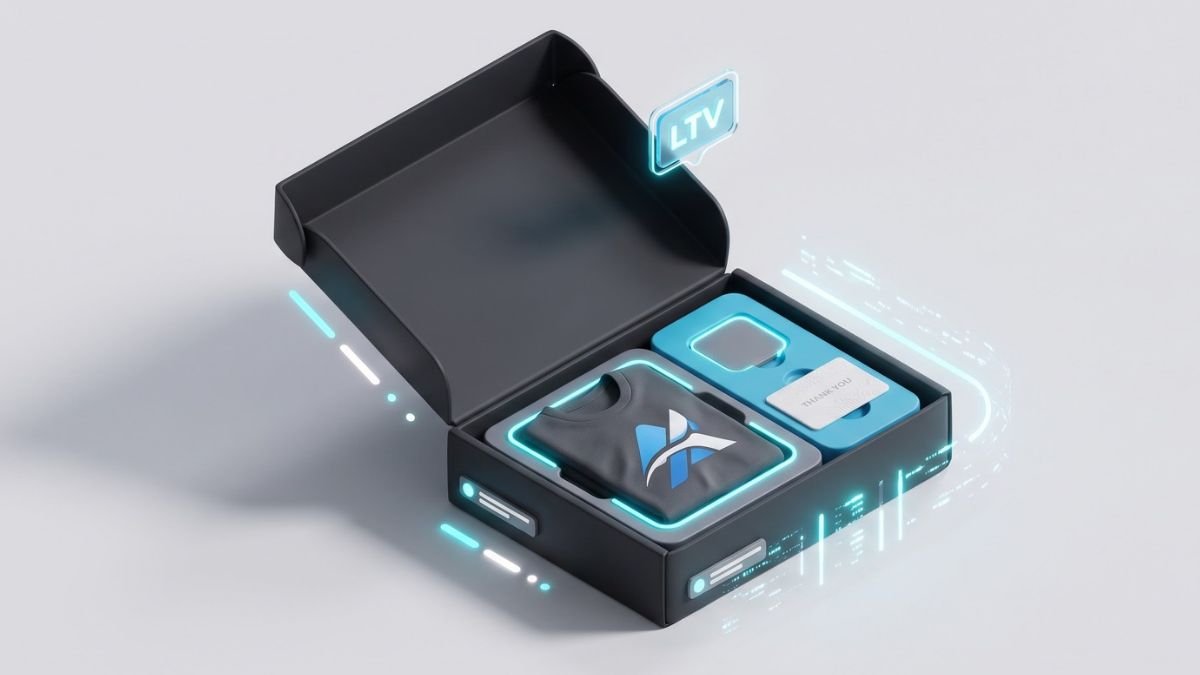
In the competitive dropshipping market, branding can make or break a Shopify store’s success. Merchants must consider how branding options influence customer experience and product perception. This is where Zendrop and DSers diverge significantly.
Zendrop’s Branded Packaging and Custom Inserts
Zendrop excels in providing branding tools for its users. With Pro plans and higher, merchants can access private labeling, branded packaging, and custom thank-you cards or inserts. These features turn generic products into memorable brand touchpoints, enhancing customer loyalty and repeat purchase behavior.
DSers’ Standard ePacket Delivery Approach
Conversely, DSers lacks a built-in branded packaging system. Merchants relying on this platform must depend on individual AliExpress suppliers for any packaging customization. While the standard ePacket delivery keeps costs low, it often compromises the customer’s unboxing experience.
Ultimately, investing in branding options can justify higher prices and boost perceived value. Merchants should assess when enhanced packaging translates into increased customer lifetime value and repeat-order rates.
Pricing Strategies and Value for US Shopify Operators

Navigating pricing strategies is essential for US Shopify merchants aiming to maximize their dropshipping potential. Understanding the financial landscape can help merchants choose the right platform to support their business goals.
DSers offers a cost-effective entry point. The Basic plan is free for up to three stores and approximately 3,000 products. The Advanced plan costs around $19.90 per month, while the Pro plan is about $49.90 monthly. For high-volume operators, the Enterprise plan reaches approximately $499 per month and includes API access and premium support.
In contrast, Zendrop’s pricing reflects its premium services. The Pro plan costs $49 per month or $399 annually, bundling automated fulfillment, US products, and custom branding. The Plus plan is approximately $79 monthly, adding coaching and Academy resources for enhanced support.
| Plan | DSers | Zendrop |
|---|---|---|
| Basic | Free for 3 stores | N/A |
| Advanced | $19.90/month | N/A |
| Pro | $49.90/month | $49/month or $399/year |
| Enterprise | $499/month | N/A |
| Plus | N/A | $79/month |
Beginners can leverage DSers to validate demand cheaply. Established brands may justify Zendrop’s premium if retention and conversion gains exceed the fee difference. This pricing analysis separates application fees from product, shipping, and customer support costs, ensuring merchants can make informed decisions.
Integrations and Platform Flexibility
For US dropshippers, selecting the right platform integration is key to streamlining operations. The ability to connect with various storefronts directly impacts your efficiency and growth potential.
DSers integrates seamlessly with Shopify, WooCommerce, and other major storefront platforms. This flexibility allows merchants to manage multiple stores from a single dashboard. With a free plan supporting up to three stores, it’s an excellent option for those starting out.
On the other hand, Zendrop is primarily focused on Shopify, offering additional support for Wix and ClickFunnels. While this specialization simplifies implementation for a Shopify store, it may limit flexibility for merchants using other platforms.
Multi-store merchants benefit from DSers’ ability to centralize product imports, supplier mapping, and order workflows. This reduces manual catalog maintenance and enhances automation capabilities.
Ultimately, your choice between these platforms should consider your store count, channel mix, and fulfillment requirements. A well-matched platform can significantly enhance your dropshipping operations.
Customer Support and Additional Features
Effective customer support is essential for US Shopify merchants looking to thrive in dropshipping. Choosing the right support model can enhance your business operations and improve customer experience.
Hands-On Support and Coaching
Zendrop offers a comprehensive support structure through its Plus plan. This includes coaching calls, access to Zendrop Academy training, and priority product sourcing assistance. Such hands-on features can significantly reduce implementation time for beginners who may lack experience in supplier management or branding.
Self-Service Efficiency in DSers
Conversely, DSers emphasizes a self-service approach. Their documentation-led model allows merchants to find solutions independently. Standard support channels are available, with quicker responses for higher-tier plans. This setup rewards experienced merchants who prefer greater technical independence.
Ultimately, the choice between these support structures will depend on your team’s capabilities, order volume, and operational complexity. A well-matched support system can lead to fewer fulfillment errors and faster resolutions of customer-impacting issues.
In-Depth Technical Comparison: dsers vs zendrop
When evaluating dropshipping platforms, a technical comparison reveals critical insights for US Shopify merchants. The performance of DSers and Zendrop can significantly influence operational efficiency and customer satisfaction.
Both platforms offer unique features that cater to different business needs. Below is a scorecard that highlights key aspects:
| Feature | DSers | Zendrop |
|---|---|---|
| Product Breadth | High, with AliExpress access | Curated US products |
| Supplier Control | Merchant-driven | Managed suppliers |
| Automation | Bulk order processing | Streamlined fulfillment |
| Delivery Speed | 2-4 weeks | 3-5 days |
| Branding Options | Limited | Extensive |
| Integrations | Multi-platform | Shopify-focused |
| Support | Self-service | Hands-on coaching |
In this comparison, DSers excels in bulk order throughput and cost-effectiveness. However, Zendrop shines in delivery performance and branding capabilities. As one merchant stated, “The right platform can change the game for your dropshipping business.”
Ultimately, the choice between these platforms should align with your specific operational needs and fulfillment strategies. Technical superiority is not a one-size-fits-all solution; it depends on your business model.
Optimizing for a Superior Customer and Brand Experience
Focusing on customer satisfaction and brand identity is vital for dropshipping merchants in 2026. The connection between fast shipping and customer experience cannot be overstated. Zendrop’s ability to deliver many US products in just 3-5 days significantly lowers delivery anxiety. This quick turnaround results in fewer complaints and enhances overall customer satisfaction.
In contrast, DSers typically sees delivery times of 15-30 days. This extended wait can be a conversion and retention risk, especially when customers expect Amazon-level fulfillment. To remain competitive, merchants must recognize that customers today prioritize speed.
Moreover, leveraging custom branding tools can transform the shopping experience. Zendrop supports branded packaging and custom inserts, which can make a product feel proprietary. This approach fosters brand loyalty and encourages repeat purchases.
In summary, optimizing the post-purchase experience through faster shipping and effective branding can lead to higher prices, better reviews, and improved repeat-purchase rates. Merchants should measure key metrics such as customer lifetime value and refund rates after switching fulfillment providers to gauge success.
Conclusion
Ultimately, selecting the right dropshipping platform is crucial for maximizing your business potential. For those prioritizing low software costs and extensive product access, DSers is a strong choice. It excels in bulk automation and supports multiple stores, making it ideal for aggressive product testing.
Conversely, if you value fast shipping, curated suppliers, and branded packaging, Zendrop justifies its higher costs. The improved customer experience can lead to better retention and repeat purchases.
In summary, for scaling US brands, Zendrop generally offers better long-term lifetime value due to its focus on delivery speed and brand presentation. Merchants should evaluate both platforms against key metrics like margin, refund rates, and customer satisfaction before committing.
Frequently Asked Questions
Does DSers work with Zendrop?
Yes, both can be integrated on one Shopify store, allowing for optimized order fulfillment.
Is Zendrop better than DSers?
Zendrop is superior for fast shipping and branding, while DSers excels in cost-effective automation and product variety.
What are the main differences between DSers and Zendrop?
The primary differences lie in sourcing models, shipping speeds, pricing strategies, and branding options. DSers relies heavily on AliExpress suppliers, while Zendrop focuses on a curated network of US-based manufacturers.
How do shipping times compare between the two platforms?
DSers typically offers slower shipping options due to its reliance on AliExpress, while Zendrop provides faster shipping through its US network, which can enhance customer satisfaction.
What are the branding options available with each platform?
Zendrop offers extensive branding options, including custom packaging and inserts, while DSers provides standard ePacket delivery without significant branding features.
Which platform is more cost-effective for US Shopify merchants?
DSers has cost-effective plans and free tiers, making it attractive for budget-conscious merchants. In contrast, Zendrop’s premium pricing reflects its enhanced services and faster shipping.
How do the customer support services differ?
Zendrop provides hands-on support and coaching, which can be beneficial for new merchants. DSers focuses on self-service efficiency, offering resources for merchants to troubleshoot independently.
Can I integrate these platforms with multiple stores?
Yes, DSers supports multi-store integration, including WooCommerce. Zendrop, however, is primarily focused on Shopify, providing a streamlined experience for Shopify users.
What impact do shipping speeds have on customer experience?
Faster shipping can significantly boost customer satisfaction and increase the likelihood of repeat purchases. Customers prefer quicker delivery times, which Zendrop can provide.
How does order automation work in each platform?
DSers offers streamlined bulk ordering, while Zendrop features automated tracking sync and fulfillment, which can save time and reduce errors for merchants.
Pingback: Why General Dropshipping Stores Fail?(And What Actually Works)