If you’re running a subscription business on Shopify, picking the wrong app can quietly kill your margins through hidden fees, clunky customer portals, or a dev team that wants to quit every time they touch the integration.
This comparison is for Shopify store owners, DTC founders, and ops leads who are either choosing between Skio and Recharge for the first time or thinking about switching. We’ll break down the real pricing differences (including transaction fees that sneak up on you), how each app handles dunning and customer management, and how flexible both platforms are when you need custom dev work or third-party integrations.
By the end, you’ll know exactly which Shopify subscription app fits your business no guessing required.
Skio vs Recharge: The Head-to-Head Shopify Comparison
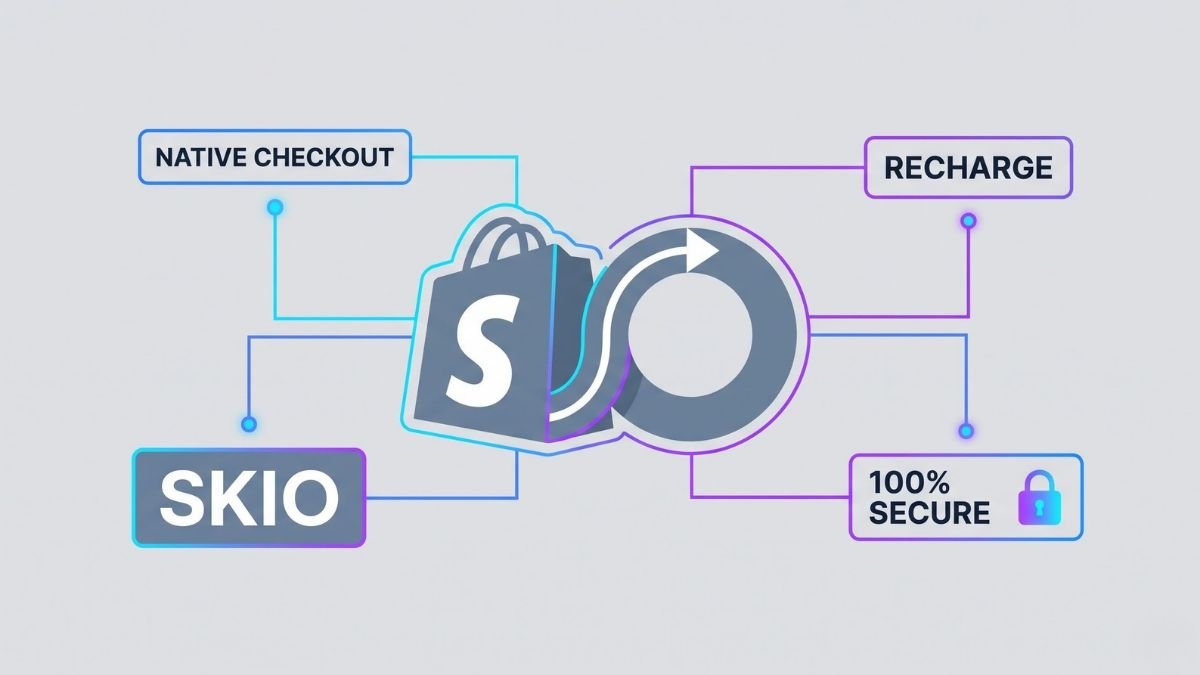
Native Shopify Checkout Extensibility vs Legacy Architectures
When comparing Skio vs Recharge as Shopify subscription apps, checkout architecture is a critical differentiator.
| Feature | Skio | Recharge |
|---|---|---|
| Checkout Type | Native Shopify Checkout Extensibility | Native Shopify Checkout Extensibility |
| Architectural History | Built natively for Shopify from Day 1 | Migrated from a legacy hijacked checkout |
| Codebase Weight | Ultra-lightweight and modern | Heavy, carrying years of technical debt |
Today, Shopify’s strict API rules dictate that all subscription apps must use native Checkout Extensibility. Both Skio and Recharge route customers through the familiar Shopify checkout flow. The difference lies in their history: Skio was engineered specifically for this modern framework from Day 1. Recharge spent years relying on a hijacked checkout layer and has spent the last few years migrating its massive merchant base over, meaning its codebase still carries significant technical debt.
When to Choose Skio vs. When to Choose Recharge
With this in mind, here’s how to decide between these Shopify subscription app options:
Choose Skio if you:
-
Want seamless, native Shopify checkout integration
-
Prioritize a modern, developer-friendly infrastructure
-
Are launching or scaling a DTC subscription brand
Choose Recharge if you:
-
Already have an established Recharge setup with complex migrations
-
Rely on Recharge’s extensive third-party app ecosystem
-
Need legacy feature configurations already in production
Now that we’ve covered the foundational architectural differences, we’ll next explore pricing structures, transaction fees, and overall ROI to determine which platform delivers stronger value.
Pricing Structures, Transaction Fees, and ROI

Recharge Pricing: Standard vs. Pro Tiers Explained
Recharge currently offers three pricing tiers on the Shopify App Store:
| Plan | Monthly Fee | Transaction Fee |
|---|---|---|
| 25-50 | $25/month | No transaction fees for first 50 subscribers |
| Starter | $99/month | 1.49% + 19¢ per transaction |
| Plus | $499/month | 1.34% + 19¢ per transaction |
The Pro tier unlocks advanced analytics, custom APIs, and priority support features essential for scaling brands but costly for smaller merchants.
Skio Pricing: Flat Fees vs. Percentage Cuts
Skio positions itself as a premium, enterprise-grade alternative. Unlike Recharge, which lets you start for $25 or $99/mo, Skio caters exclusively to scaling brands. Its pricing model on the Shopify App Store currently involves a single plan:
-
A high flat monthly platform fee: The “Scale” plan costs $599/month (or $499/month if billed annually at $5,988/year).
-
Lower percentage-based transaction fees: You pay 1% + 20¢ per transaction.
-
No hidden feature paywalls: That $599/mo unlocks everything, including their automated lifecycle journeys, multi-step cancel flow builder, build-a-box functionality, and their famous passwordless login.
For high-volume Shopify stores, Skio’s model can deliver stronger ROI, making it a compelling Recharge alternative worth evaluating.
Migration Support and the True Cost of Switching
When comparing these Shopify subscription apps, migration costs are often overlooked. Key considerations include:
-
Data migration complexity — subscriber records, billing cycles, and payment tokens
-
Downtime risk — during transition periods
-
Dedicated migration support — Skio is known for hands-on onboarding assistance
With this in mind, the true switching cost extends beyond monthly fees into operational continuity and team resources.
Core Subscription Features: Dunning & Customer Management
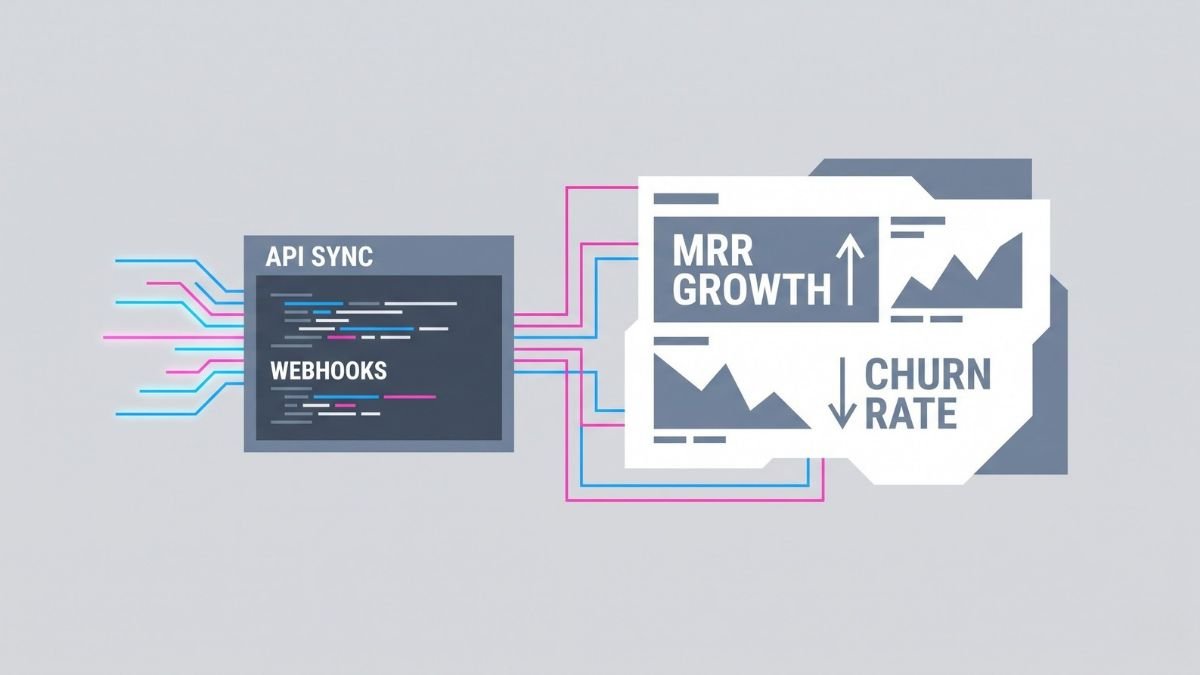
Dunning Management & Failed Payment Recovery Systems
When a customer’s credit card expires or fails, your dunning process is the only thing saving that Monthly Recurring Revenue (MRR). Recharge handles this via classic email retry workflows (e.g., automatically retrying the card on days 1, 3, and 5), which you can customize in their settings. Skio takes a much more modern, aggressive approach by heavily leveraging SMS for dunning. Instead of sending an email that gets buried in a promotions folder, Skio fires an SMS with a secure, passwordless magic link. This allows the customer to update their credit card via Apple Pay or Shop Pay in just two taps, drastically reducing involuntary churn compared to legacy email-only flows
Passwordless Customer Portals (Skio) vs Custom Portals (Recharge)
Customer self-service portals reduce support tickets and improve retention. Key differences to consider when evaluating the best Shopify subscription app for your store:
| Feature | Skio | Recharge |
|---|---|---|
| Login Method | Passwordless (OTP-based) | Traditional login |
| Portal Customization | Streamlined, modern UI | Highly customizable |
| Customer Friction | Low | Moderate |
Skio’s passwordless portal reduces login barriers, while Recharge offers deeper branding flexibility.
Build-a-Box, Bundling, and Subscriber Discount Incentives
With this in mind, bundling capabilities and discount structures further differentiate these Shopify recurring billing apps:
-
Skio supports bundle subscriptions natively
-
Recharge offers build-a-box functionality for curated subscription boxes
-
Both platforms support tiered subscriber discounts to incentivize loyalty
Now that we’ve covered core features, next we’ll explore developer flexibility and app ecosystem integrations.
Developer Flexibility, APIs & App Ecosystem Integrations
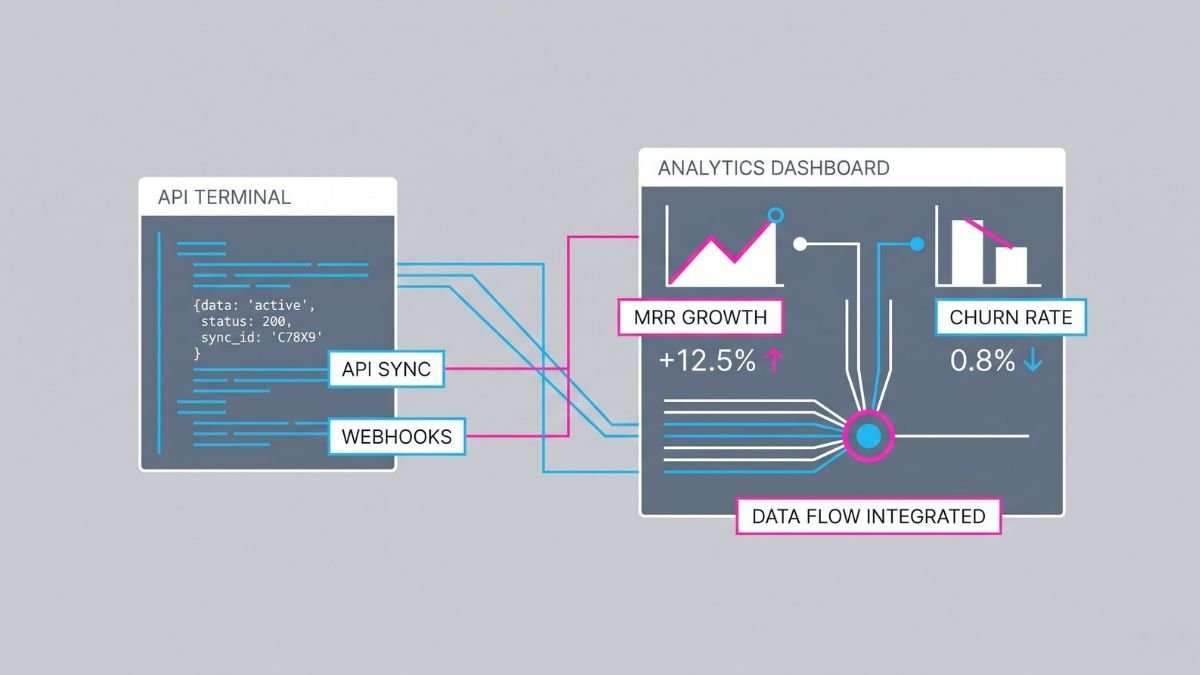
API Access, Webhooks, and Headless Shopify Capabilities
Both Skio and Recharge offer API access, but their depth varies. Recharge provides a mature REST API with extensive webhook support, making it a strong candidate for headless Shopify builds. Skio, built natively on Shopify, leverages Shopify’s own infrastructure, offering a more streamlined but potentially less customizable API layer.
Connecting Klaviyo, SMS, and Customer Support Helpdesks
With this in mind, integration ecosystems become a decisive factor. Key integrations to evaluate include:
-
Klaviyo – Both platforms support Klaviyo for email automation and subscriber segmentation
-
SMS tools – Recharge connects with Postscript and Attentive; Skio offers comparable SMS integrations
-
Helpdesks – Gorgias and Zendesk integrations are available on both platforms for support ticket management
Analytics: Tracking Subscriber Churn, MRR, and LTV
Now that we’ve covered integrations, analytics capabilities round out the technical comparison. Merchants need visibility into:
| Metric | Skio | Recharge |
|---|---|---|
| Churn tracking | ✅ | ✅ |
| MRR reporting | ✅ | ✅ |
| LTV insights | ✅ | ✅ |
Both subscription management platforms provide dashboards for monitoring key subscription health metrics, essential for any data-driven Shopify store.
The Final Verdict: Pros, Cons, and Which App Wins
Key Strengths and Limitations of Skio
Now that we’ve covered pricing, features, and integrations, here’s a clear breakdown of Skio’s position in the Skio vs Recharge debate:
Strengths:
-
Modern, intuitive customer portal requiring minimal setup
-
Passwordless login reduces churn and improves UX
-
Transparent, predictable pricing with no hidden transaction fees
-
Excellent Shopify-native performance and faster onboarding
Limitations:
-
Smaller ecosystem compared to legacy platforms
-
Fewer native integrations than established competitors
-
Best suited for growth-stage brands, not enterprise-scale operations
Key Strengths and Limitations of Recharge
Previously, we explored Recharge’s deep API capabilities and broad app ecosystem. Here’s how that translates into real-world pros and cons:
Strengths:
-
Industry-proven platform with extensive third-party integrations
-
Robust developer tools and flexible API access
-
Scales well for high-volume, enterprise-level merchants
-
Large merchant community and support documentation
Limitations:
-
Higher transaction fees can erode margins at scale
-
Steeper learning curve for non-technical teams
-
Customer portal customization often requires developer involvement
| Factor | Skio | Recharge |
|---|---|---|
| Ease of Use | ✅ High | ⚠️ Moderate |
| Integration Depth | ⚠️ Growing | ✅ Extensive |
| Pricing Transparency | ✅ Clear | ⚠️ Variable |
| Enterprise Scalability | ⚠️ Moderate | ✅ Strong |
CONCLUSION
Choosing between Skio and Recharge ultimately comes down to what matters most for your Shopify store. Throughout this comparison, we’ve examined their pricing structures and transaction fees, core subscription features like dunning and customer management, and how each platform handles developer flexibility, APIs, and third-party integrations. Both apps bring real strengths to the table, but they serve different types of merchants with different priorities.
If you’re a growing brand looking for a modern, developer-friendly platform with transparent pricing, Skio is worth a serious look. If you need a battle-tested solution with a broad app ecosystem and established reliability, Recharge remains a strong contender. Take stock of your store’s specific needs, your technical resources, and your budget then choose the platform that best positions your subscription business for long-term growth.
Frequently Asked Questions
1. Which is cheaper: Skio or Recharge?
Recharge is much cheaper for new or mid-sized stores, offering a $25/month entry plan and a $99/month Starter plan. Skio caters strictly to enterprise/scaling brands with a flat $599/month platform fee. However, for high-volume stores, Skio’s lower transaction fee (1% + 20¢) often makes it cheaper overall than Recharge’s Starter tier (1.49% + 19¢).
2. Do Skio and Recharge use the native Shopify checkout?
Yes. As of 2026, Shopify strictly requires all subscription apps to use their native Checkout Extensibility framework. Both Skio and Recharge route your customers through the standard Shopify checkout, meaning you don’t have to worry about hijacked checkouts or broken conversion tracking.
3. How does Skio’s passwordless login work?
Instead of forcing customers to remember an account password to swap a product or delay a shipment, Skio sends a secure One-Time Password (OTP) via SMS or email. The customer clicks the “magic link” and is instantly logged into their portal, which drastically reduces support tickets and involuntary churn.
4. Can I migrate from Recharge to Skio without losing active subscribers?
Yes. Skio specializes in zero-downtime migrations from Recharge. They securely transfer your customer payment tokens (via Stripe, Shop Pay, or Authorize.net) and active subscription contracts directly into their database so your customers never experience a billing interruption.
5. Which app handles failed payments (dunning) better?
While Recharge offers highly customizable, traditional email-based dunning flows (retrying cards on specific days), Skio takes a more aggressive, modern approach. Skio leverages SMS to send customers a secure link to update their card using Apple Pay or Shop Pay in just two taps, recovering revenue much faster.
6. Do these apps work with Headless Shopify builds?
Yes, both offer API access, but Recharge historically wins in the headless space. Recharge offers a highly mature REST API and JavaScript SDK (available on their $499/mo Plus plan) that is heavily documented for custom frontends. Skio relies more heavily on Shopify’s native infrastructure.
7. Can I let subscribers build their own custom subscription boxes?
Yes, both apps support “Build-a-Box” or dynamic bundling functionality. This allows your customers to mix and match different SKUs (like choosing 3 different flavors of a beverage) every month for a set price. This feature is available natively on Skio and via Recharge’s customizable bundles feature.